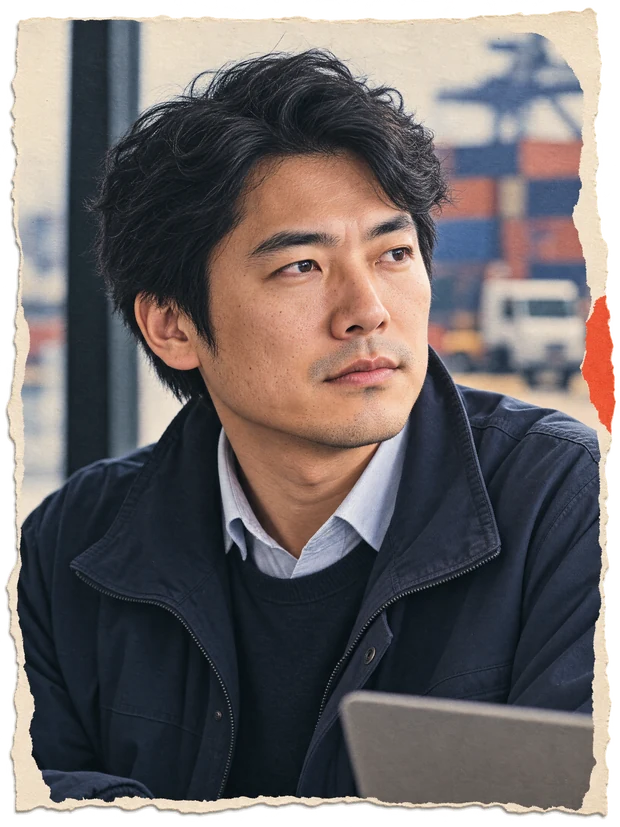
DANIEL KIM · DISPATCH
The logistics chief who stopped treating exceptions as noise.
He learned to treat every disruption as evidence before asking a model to explain it.
HUMANS · THE PORTRAIT ISSUE
The people whose judgement still decides whether an operating model becomes real.THE PEOPLE BEHIND THE OPERATING MODEL
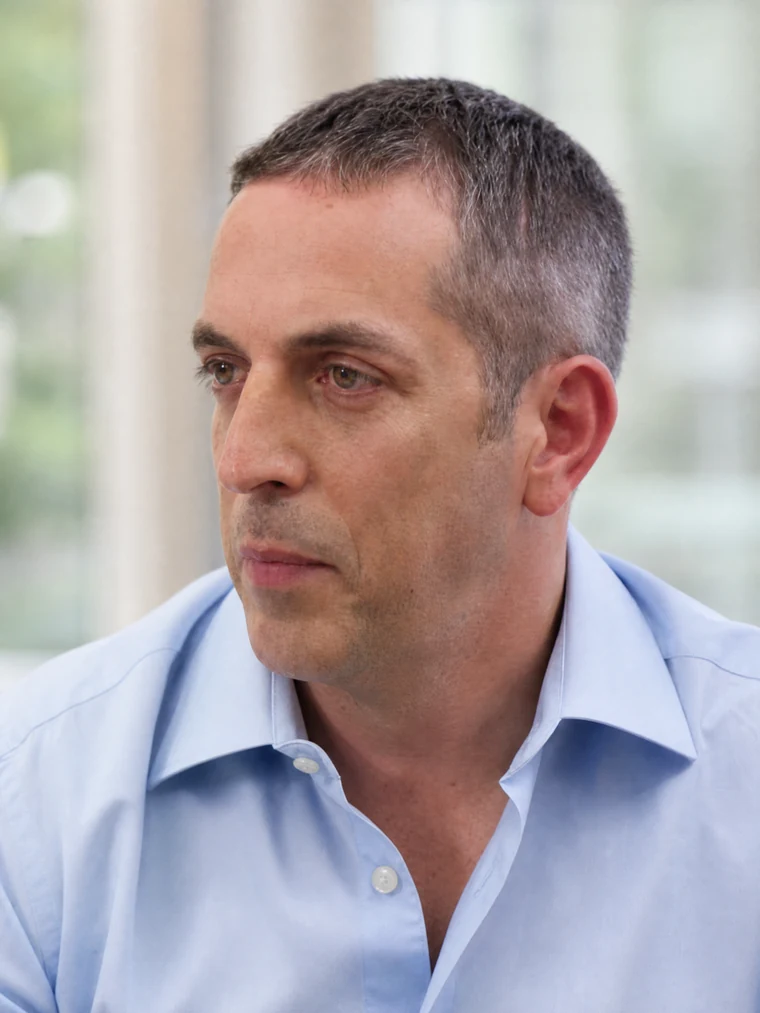
AMIT LEVI · PAPAYA GLOBAL
01 · LEAD PORTRAIT
At Papaya Global, he pushed a less glamorous idea: start with the work people hate doing, measure whether it improves, and keep going only if it does.
“The useful part of AI is not the answer it writes. It is the bit of work it removes without creating a new thing to check.”
FIVE PEOPLE, FIVE OPERATING POINTS OF VIEW
DANIEL KIM · DISPATCH
He learned to treat every disruption as evidence before asking a model to explain it.
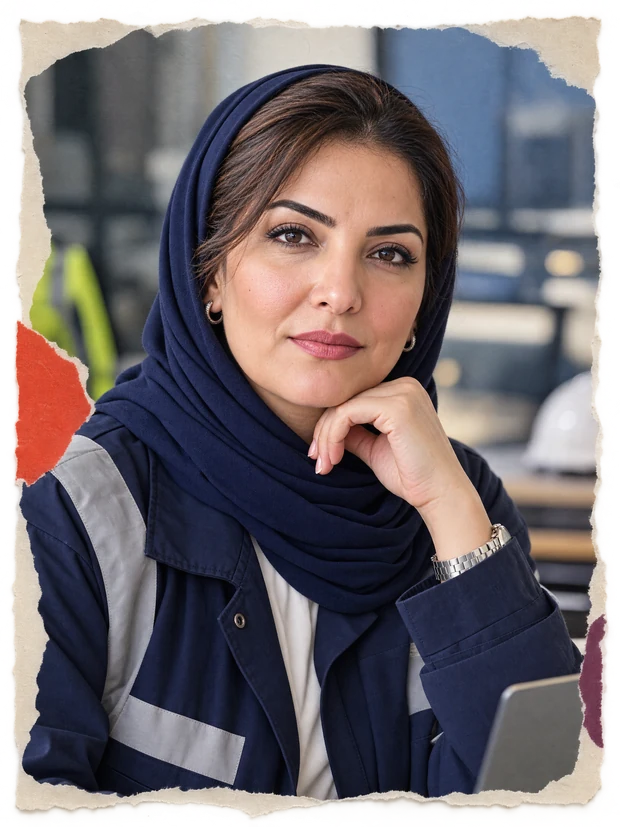
LEILA HADDAD · INDUSTRY
Her programme began with an uncomfortable admission: the system did not know the work yet.
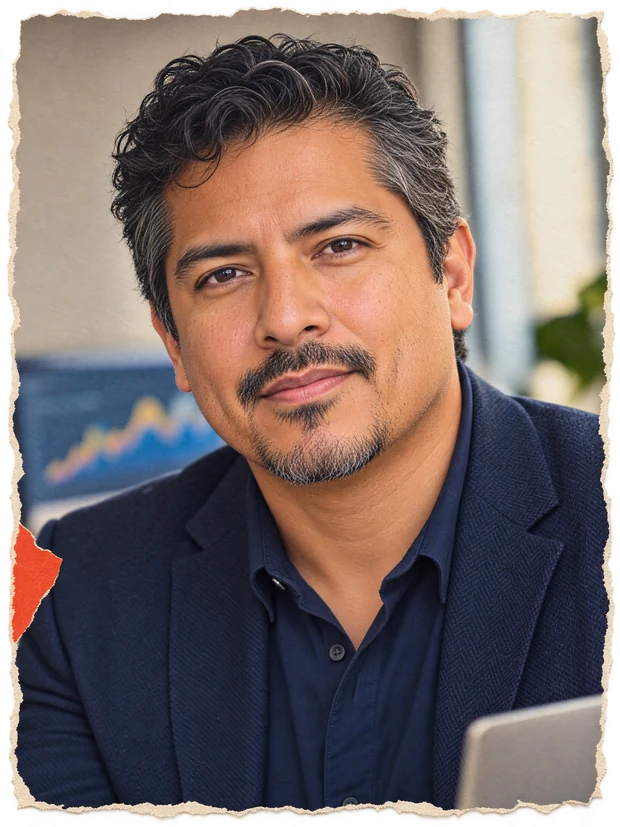
MATEO SILVA · RETAIL
He moved the decision upstream, closer to the people who spot a change before the spreadsheet does.
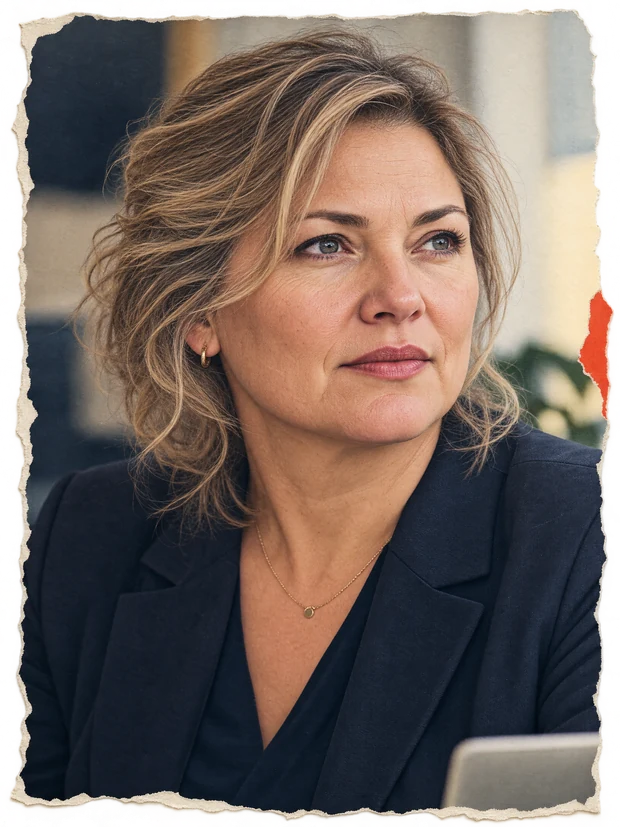
SOFIA PETRESCU · CARE
She treats time as an operating resource, not a benefit waiting to be optimised away.
FROM THE NOTEBOOK
Before data turns into a dashboard, somebody notices the exception, names the problem, and decides what needs attention.