
From visit to draft
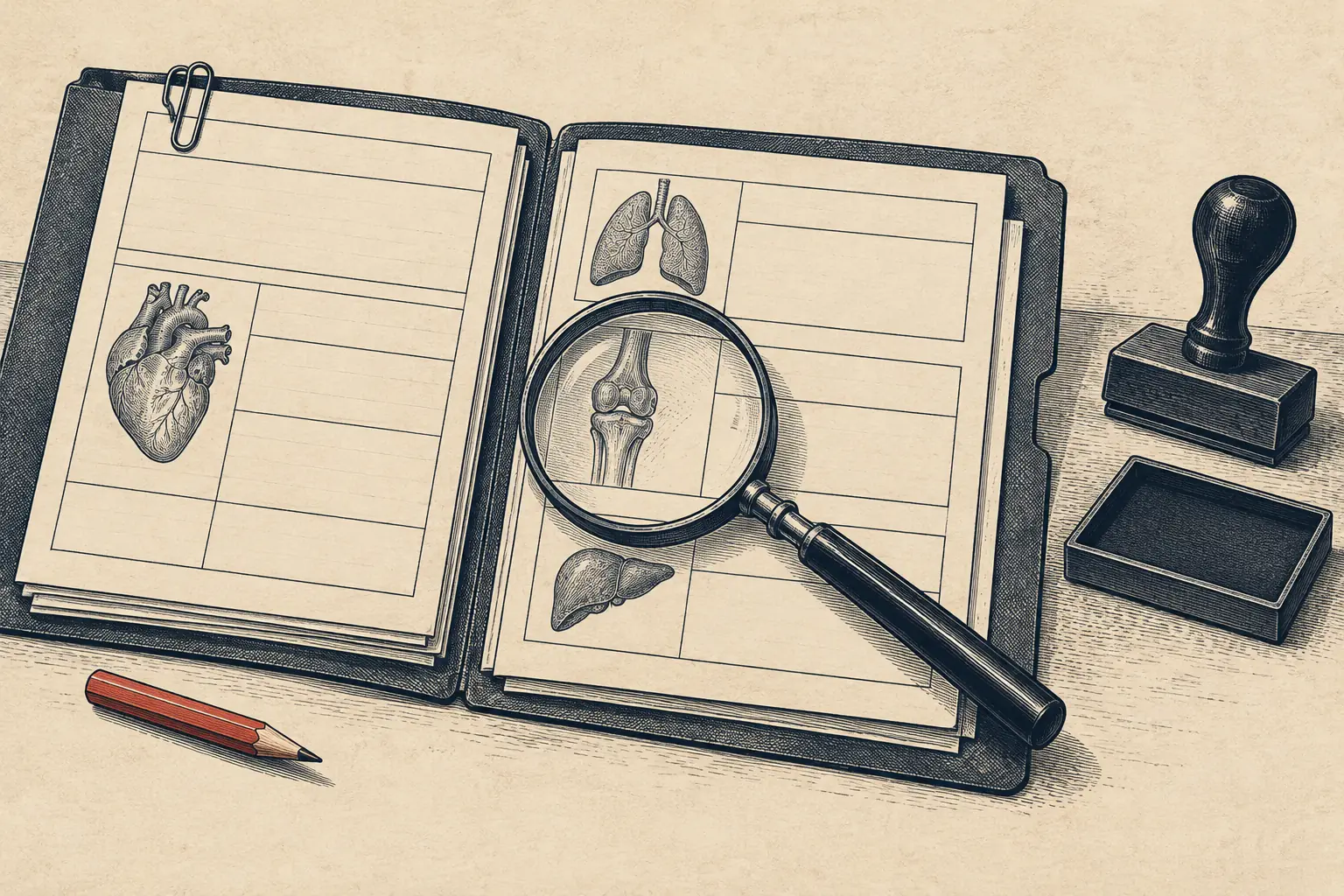
The appointment may be over, but the documentation often is not. In the small-practice workflow Freed addresses, clinicians type, dictate or finish specialty-specific notes after a visit, then move the record into the electronic health record. The appointment and its documentation remain separate jobs.
A transcript is not yet a clinical note.
Freed’s proposed shortcut turns a consented encounter into a structured draft, which the clinician reviews before transferring it into the EHR. Transcribing the conversation is only part of the process. The transcript has to become a usable clinical record and reach the system where it belongs. A transcript is not yet a clinical note.
In VentureBeat’s July 2025 report, Freed says 20,000 paying clinicians across more than 1,000 small healthcare organizations were using its workflow for nearly 3 million patient visits each month. Those company-supplied adoption figures show reported uptake. They do not establish that the notes were accurate or that patients received better care. Usage and clinical quality are different questions.
Getting notes into the record
Freed’s “How to use an AI scribe” guide describes the sequence: capture a consented visit, transcribe clinical speech and generate a SOAP note. SOAP means subjective, objective, assessment and plan. The draft can reflect the specialty and clinician’s preferences. The clinician then edits it and teaches the preferred format.
The destination matters as much as the draft.
The same guide describes a Chrome extension that can move the note into a browser-based EHR without a required API integration. That addresses a practical task beyond generation. There are two jobs: produce the draft, then get the reviewed version into the record. Freed’s broader ambition is to “Make healthcare simpler.” Here, the concrete work is narrower: get a completed note into the system clinicians already use.
That transfer step matters because generating a note and getting it to its destination are separate operational problems. A workflow that produces usable text can still leave clinicians with another task if moving it into the record is cumbersome. The destination matters as much as the draft.

Review remains required
In Freed’s workflow, the clinician edits the generated draft before moving it into the EHR. Review is part of the process, not a formality between generation and transfer. The tool changes how documentation begins; it does not remove the clinician’s responsibility for what appears in the record. “The software wrote it” identifies where the draft came from, not whether its contents belong in the chart.
A busy pipeline is not a quality certificate.
The reported adoption figures also have limits. Substantial use is not an audited accuracy result, a measured patient benefit or proof that every draft requires only a light edit. A busy pipeline is not a quality certificate. Freed’s company-supplied figures, as reported by VentureBeat, leave its clinical performance unresolved.
The failure point is the transition from generated text to accepted documentation. If review becomes reflexive approval rather than a check against the encounter, the safeguard disappears. Easier transfer can reduce the work of moving a reviewed note, but it should not reduce the attention given to checking the note before it enters the record.

Less setup, same scrutiny
Freed has focused on a recurring task with a defined output and an identifiable reviewer. Its workflow has a clear sequence: capture the encounter with consent, generate a structured note and have the clinician review it before transfer into the existing record. That is more specific than a broad promise to reinvent clinical work.
The approach has several parts: generate the structured draft, accommodate the clinician’s preferred format and provide a route for the reviewed note into the existing record. For browser-based EHRs, Freed’s guide describes a Chrome extension that can move the note without a required API integration. None of those features establishes clinical quality by itself. They do explain why setup and transfer matter alongside the model’s writing ability.
Less setup is the win; less scrutiny must not be the price.
The Operation AI desk’s editorial distinction is worth keeping: adoption and clinical quality are separate questions. Freed’s reported uptake makes the first worth examining. The available evidence does not settle the second. The company is addressing a documentation chore by reducing steps around drafting and transferring notes while keeping clinician review in the workflow.
Less setup is the win; less scrutiny must not be the price.