

The work behind a small diff
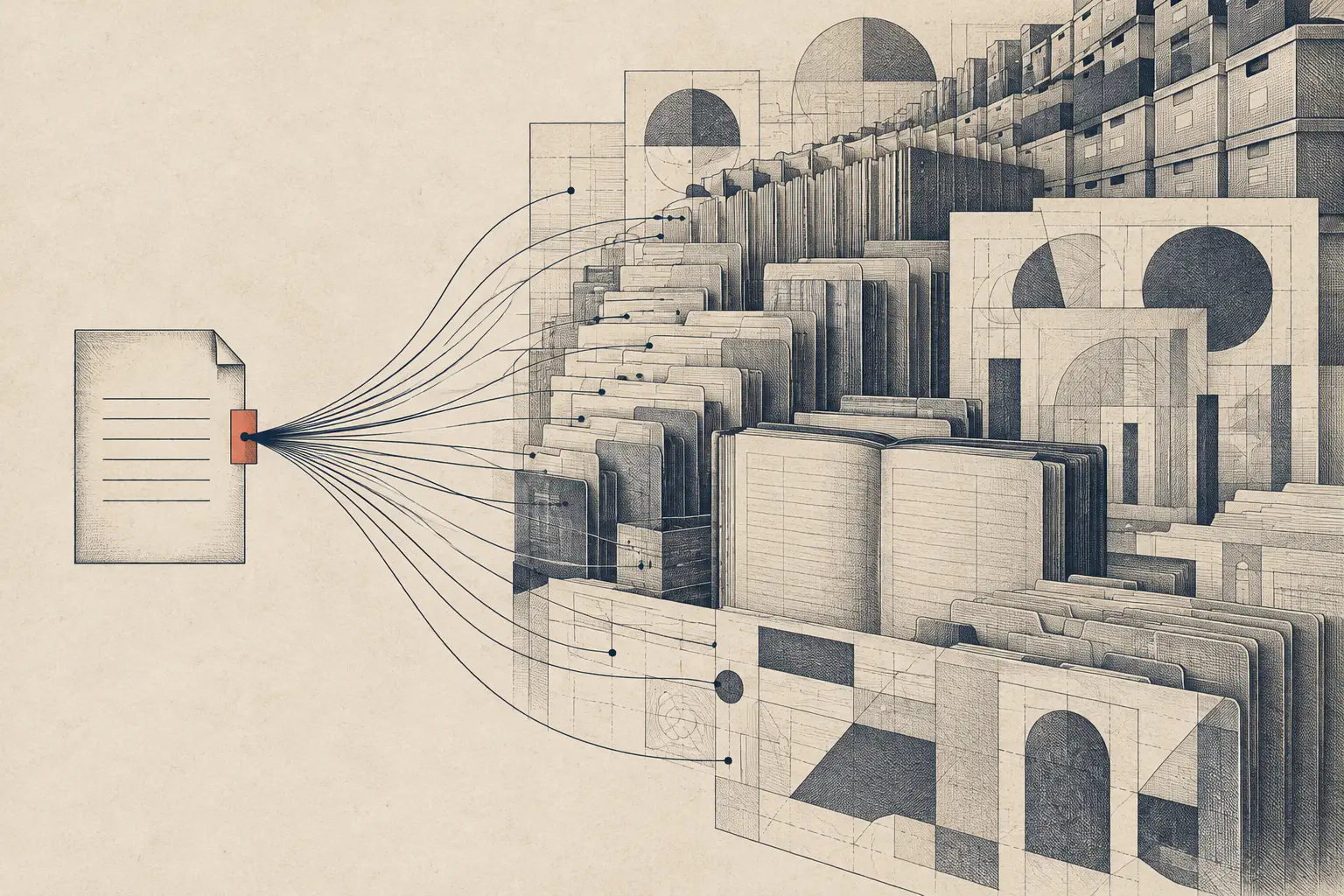
A pull request can look small while requiring a reviewer to reconstruct a much larger body of context: architectural agreements, repository conventions and the history behind earlier decisions. Qodo’s work at monday.com is aimed at reducing that investigative work rather than treating the changed lines as the whole review.
monday.com’s reviewers already had linters, static analysis and custom rules. Senior engineers still had to reconstruct repository and architectural context around each change. Automated checks could cover defined rules, but understanding intent and fit still required work from a person. A small diff can carry a very large homework assignment.
A small diff can carry a very large homework assignment.
Qodo adds a context-aware first pass inside the GitHub pull-request workflow. The relevant question is whether that first pass can surface useful background for the reviewer, rather than simply generating more comments. Additional findings matter to the extent that they reduce investigation or identify concerns worth examining.
Qodo and monday.com report preventing about 800 potential production issues each month and saving roughly one hour per pull request; VentureBeat describes deployment across more than 500 developers. The outcome figures are customer-reported, not audited. And “potential” is an important qualifier: the figure is not a count of production incidents that demonstrably would have happened.
Building the first pass
The first pass combines the diff with repository patterns, historical review and approval context, organizational rules, and linked artifacts. Those inputs are intended to address a question behind many review comments: whether a proposed change fits the way a particular organization actually builds and maintains its software.
Qodo uses that context to post prioritized findings and suggested fixes. The distinction matters. A finding gives an engineer something to investigate, while a suggested fix offers a proposed response to assess. Neither is equivalent to approval, and presenting a repair conveniently does not establish that it is the right one.
Context is the work, not the garnish.
Context is the work, not the garnish. A rule about how a specific organization handles changes can be more relevant to its review than generic guidance. The approach is to retrieve proprietary background before using the model to assess the code in front of it, rather than asking the model to evaluate a diff in isolation.
The findings appear inside the pull request, where engineers already review changes. That keeps the assistance within the existing workflow and gives reviewers a concrete concern and, where available, a possible fix to evaluate. The system is preparing part of the review; it is not treating that preparation as a completed decision.

The decision stays with engineers
Engineers can discuss, dismiss, or apply Qodo’s suggestions. The system prepares review work rather than owning the merge decision. That division of responsibility is central to the setup: a generated fix may reduce investigation, but it does not provide permission to merge a change.
The retrieved context also requires scrutiny. An old approval records what someone accepted at the time, not necessarily what a team should accept now. A local pattern might represent an established convention, or a practice the organization should reconsider. These are risks to test rather than reported failures at monday.com.
The system prepares review work rather than owning the merge decision.
Useful evaluation would extend beyond the raw number of comments. Operators could examine dismissed findings, accepted fixes, and the context reviewers still had to reconstruct themselves. A high volume of findings is easy to measure; whether those findings helped engineers identify meaningful issues is a different question.
The reported time saving does not, by itself, establish that review staffing can safely shrink. Nor does the potential-issue count show the severity of every finding. Saving an hour of investigation can be valuable without implying that an hour of reviewer responsibility has disappeared.

A narrower role for automation
The division of labor is straightforward on paper. Qodo gathers context and prepares findings, while engineers retain judgment. The product addresses a specific burden inside an existing workflow rather than requiring the organization to move code review into a separate conversational interface.
The setup also treats proprietary context as a necessary input rather than an optional attachment. Code review is not limited to determining whether a change looks plausible in isolation. Reviewers also need to determine whether it belongs in a particular system, under that organization’s rules and in light of decisions already made elsewhere in the repository.
Save the engineer the excavation, not the decision.
The reported results make monday.com a useful case to examine, not a universal forecast. Another team would need to test its own context retrieval, finding quality and reviewer effort. One useful measure would be whether the first pass reduces the time engineers spend reconstructing background while still allowing them to challenge or dismiss the system’s suggestions.
The practical aim is a reviewer who arrives better prepared, rather than one removed from the process. That is a narrower claim than autonomous software delivery, and it preserves a clear point of human accountability. Save the engineer the excavation, not the decision.